As winter approaches, ensuring that your home remains warm and energy-efficient is crucial. Conducting essential checks on your heating system can save you from the discomfort of a cold home and the distress of unexpected repair costs. Here’s a step-by-step guide on how to effectively winterize your home’s heating system.
1. Inspect Your Heating System
Start by visually inspecting your heating system. Look for any signs of wear and tear on your furnace or boiler, such as corrosion, leaks, or unusual noises. Ensure that the area around your heating system is clear of debris and flammable materials. If you notice any anomalies, it might be wise to call a professional technician to further evaluate and address any issues.
2. Replace or Clean Filters
One of the simplest yet most effective ways to ensure your heating system operates efficiently is by replacing or cleaning its filters. Dirty filters restrict airflow, causing your system to work harder, which can lead to increased energy costs and reduced lifespan of the system. Check your furnace or HVAC system’s filters, and replace or clean them as recommended by the manufacturer.
3. Check the Thermostat
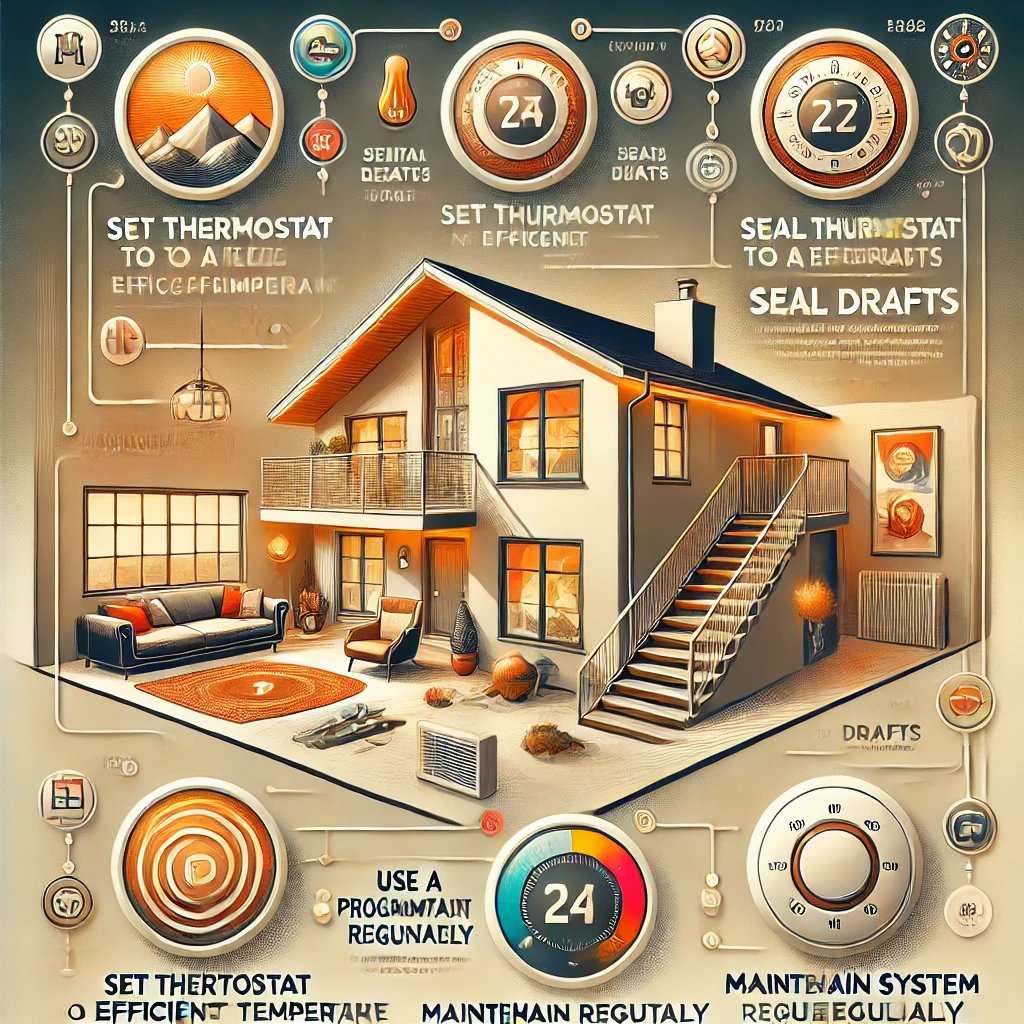
Testing your thermostat is crucial to ensure it works correctly throughout the winter. Turn on your thermostat and observe if it starts your heating system promptly and keeps your home at the desired temperature. If you have an older thermostat, consider upgrading to a programmable or smart thermostat to better control your heating preferences and save on energy costs.
4. Seal Leaks and Insulate
Heat loss through leaks and poor insulation can significantly affect your heating system’s efficiency. Check around windows, doors, and any areas where there may be drafts. Use weather-stripping or caulking to seal these leaks. Additionally, ensure that your home, especially in areas like the attic, is adequately insulated. This can help maintain a consistent temperature throughout your home, reducing the strain on your heating system.
5. Schedule Professional Maintenance
Annual maintenance by a qualified technician is essential for the longevity and efficiency of your heating system. A professional can perform a detailed inspection and tune-up that includes cleaning the system, checking for leaks, testing efficiency levels, and ensuring that all components are in good working order.
6. Check and Clean Ducts
If your home has a ducted heating system, inspect the ducts for dust buildup or potential obstructions. Clean ducts ensure better air flow, improved air quality, and reduced workload on your heating system. Consider hiring a professional to clean your ducts if you notice substantial dust accumulation or mold growth.
7. Review Fuel Levels and Delivery Schedules
If you use a furnace that operates on oil or propane, check your fuel levels before the peak winter months and arrange for timely refills. Running out of fuel during a cold snap is not only inconvenient but also can be dangerous.
8. Protect Outdoor HVAC Units
If you have an outdoor HVAC unit, clear any debris around it and check for potential damage. Cover the unit to protect it from harsh winter conditions, but ensure that the cover is breathable to prevent moisture accumulation and corrosion.
Conclusion
Taking the time to thoroughly check and maintain your heating system before winter can help ensure a warm, safe, and energy-efficient season. This proactive approach not only enhances your comfort and safety but also helps in reducing your energy bills and avoiding costly emergency repairs. Remember, when in doubt, always consult with a professional to handle complex issues or maintenance tasks.
Plumbing Emergency Emergency Services HVAC AC Heating Repair Drain Cleaning Clog Commerical Plumbing Commercial HVAC Residential Dakota County Rosemount Eagan Burnsville Farmington Lakeville Savage Prior Lake Minnetonka